Exploring the Versatility of PEEK in CNC Machined Solutions
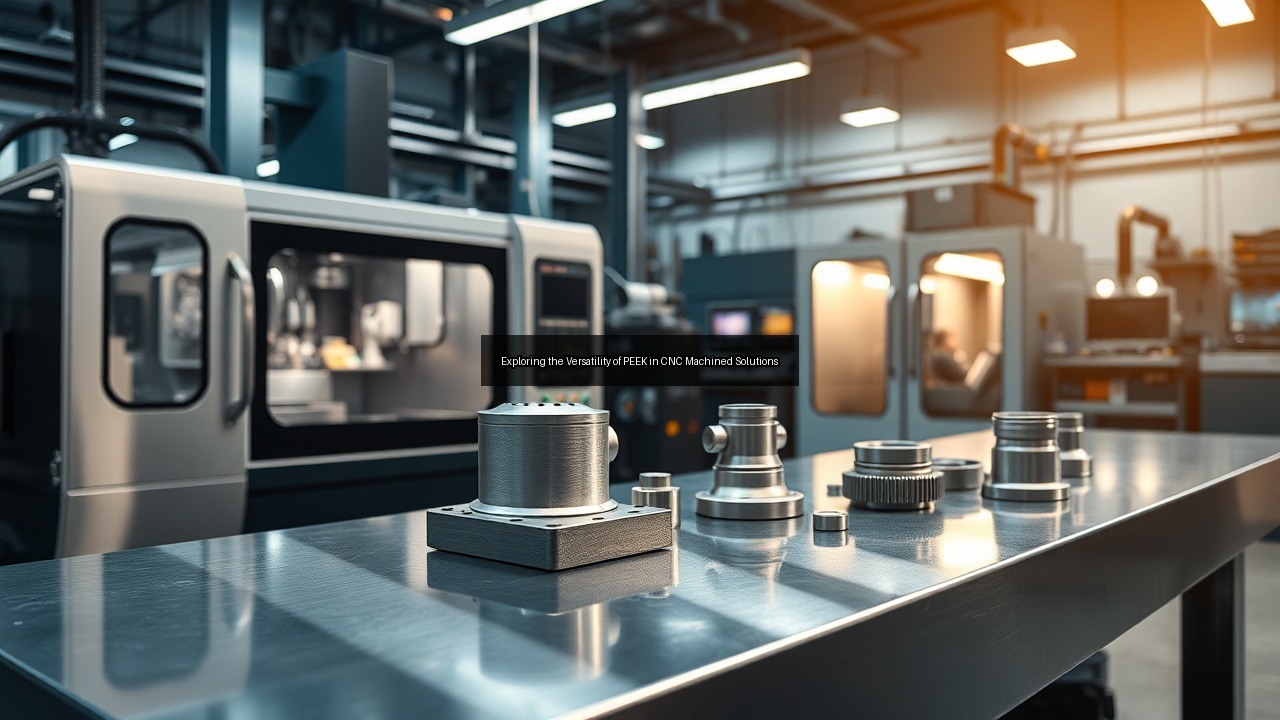
Understanding PEEK and Its Properties
What is Polyether Ether Ketone (PEEK)?
Polyether ether ketone, commonly referred to as PEEK, stands as one of the most advanced engineering plastics machined PEEK parts available today. This high-performance thermoplastic offers exceptional mechanical and thermal properties, making it suitable for a variety of demanding applications. PEEK exhibits outstanding chemical resistance, high-temperature stability, and low moisture absorption. These characteristics allow PEEK to perform efficiently in environments where other materials may fail. Its versatility has made it a popular choice in industries ranging from aerospace to medical devices. The ability to machine PEEK into intricate shapes and components further enhances its appeal, resulting in a growing market for PEEK machined parts.
Key Properties of PEEK for Machining
PEEK boasts several key properties that make it an ideal candidate for machining. Its excellent strength-to-weight ratio ensures durability while maintaining a lightweight profile, crucial for applications in aerospace and automotive industries. PEEK's high melting point, around 343°C (650°F), allows it to withstand extreme temperatures without deforming or losing its structural integrity. This thermal stability, combined with its dimensional stability, results in precise machining outcomes. Furthermore, PEEK's low coefficient of friction makes it suitable for applications involving sliding components, reducing wear and tear on both the PEEK machined parts and associated machinery. These properties empower manufacturers to create high-quality, reliable components that stand the test of time.
Comparison of PEEK with Other Engineering Plastics
When comparing PEEK to other engineering plastics, its unique attributes set it apart. Materials such as nylon and polycarbonate may offer good mechanical properties, but they often lack PEEK's thermal and chemical resistance. For instance, nylon may begin to degrade at elevated temperatures, while PEEK remains stable. Other plastics like PTFE may provide excellent chemical resistance but do not have the same load-bearing capabilities. The exceptional performance of PEEK in varied environments makes it a superior choice for applications requiring high durability and reliability. Ultimately, while other engineering plastics serve their purposes, PEEK's versatility and performance in demanding applications make it the preferred material for many industries.
CNC Machining Techniques for PEEK
Overview of CNC Machining Processes
CNC machining processes play a crucial role in transforming PEEK into precision components. Computer Numerical Control (CNC) technology automates the movement of cutting tools, enabling highly accurate machining of PEEK parts. This process allows manufacturers to create complex geometries that meet stringent design specifications. Common CNC machining techniques for PEEK include milling, turning, and drilling. Each method utilizes specialized tools designed for high-performance plastics, ensuring minimal deformation and optimal surface finish. The automation inherent in CNC machining also reduces human error, ensuring consistent quality across production runs. As demand for PEEK machined parts continues to rise, CNC machining serves as a vital link in the manufacturing chain, facilitating the production of high-quality components.
CNC Milling vs. Injection Molding in PEEK Production
CNC milling and injection molding represent two primary methods for producing PEEK parts, each offering distinct advantages. CNC milling allows for precise shaping of PEEK material, enabling intricate designs and tight tolerances. This method excels in small batch production, where customization and flexibility are essential. In contrast, injection molding is more suited for high-volume production, forming PEEK into complex shapes rapidly and efficiently. However, it may not achieve the same level of precision in certain applications. Ultimately, the choice between CNC milling and injection molding hinges on specific project requirements, including production volume, part complexity, and cost considerations. Manufacturers often evaluate these factors to determine the most effective method for creating PEEK machined parts.
Tool Selection and Fixture Design for PEEK Machining
Effective tool selection and fixture design are critical components in the CNC machining of PEEK. Specialized cutting tools made from materials such as carbide are essential for achieving optimal results when machining PEEK. These tools withstand the high wear rates associated with machining this tough plastic. Additionally, fixture design must accommodate the unique properties of PEEK, ensuring that the material remains stable during machining. Proper clamping techniques prevent movement and distortion, leading to enhanced dimensional accuracy. Operators must also consider the geometry of the machined part when designing fixtures to facilitate efficient chip removal and minimize tool wear. The right tool and fixture combinations significantly contribute to the overall success of the machining process, ensuring the production of high-quality PEEK machined parts.
Applications of PEEK Machined Parts
Industries Benefiting from PEEK Solutions
PEEK machined parts find applications across a wide range of industries, showcasing their versatility and performance. The aerospace sector utilizes PEEK for components that must endure extreme conditions, such as high temperatures and corrosive environments. In the medical field, PEEK is increasingly favored for surgical instruments and implants due to its biocompatibility and strength. The automotive industry also benefits from PEEK's lightweight and durable nature, using it for parts such as valves and connectors that contribute to fuel efficiency and performance. Other sectors, including electronics and oil and gas, leverage PEEK's superior chemical resistance and thermal stability, making it an indispensable material in modern manufacturing.
Specific Uses of PEEK Machined Parts: Valves and More
PEEK machined parts have specific applications that highlight their advantageous properties. Valves made from PEEK are increasingly common in various industries due to their ability to withstand high pressures and corrosive environments. The low friction characteristics of PEEK reduce wear on valve components, leading to longer service life and reduced maintenance costs. Beyond valves, PEEK is employed in bearings, insulators, and structural components, where its strength and thermal stability are critical. Its machinability allows manufacturers to produce custom parts tailored to specific applications, enhancing performance and efficiency. As industries continue to evolve, the demand for PEEK machined parts will likely grow, driven by the material's unique capabilities.
Case Studies of PEEK in High-Performance Applications
Several case studies demonstrate the effectiveness of PEEK in high-performance applications. In aerospace, a major aircraft manufacturer replaced traditional metal components with PEEK machined parts, resulting in reduced weight and improved fuel efficiency. PEEK's ability to maintain performance under extreme temperatures contributed significantly to this success. In the medical field, a leading orthopedic device company used PEEK for spinal implants, capitalizing on its biocompatibility and strength. These implants demonstrated superior performance compared to traditional materials, leading to better patient outcomes. Such case studies illustrate how PEEK machined parts not only enhance product performance but also drive innovation across various sectors.
Challenges and Considerations in Machining PEEK
Surface Finish Requirements for PEEK Components
Achieving the desired surface finish for PEEK components presents a unique challenge in machined PEEK part machining. PEEK's inherent properties can lead to a rough surface if not machined correctly. Manufacturers often aim for a smooth finish to reduce friction and improve performance in applications such as bearings and seals. Various machining parameters, including cutting speed, feed rate, and tool geometry, influence the final surface quality. Implementing proper cooling techniques during machining can also mitigate thermal effects that lead to surface imperfections. Companies must carefully balance these factors to ensure that PEEK machined parts meet the stringent surface finish requirements demanded by their specific applications.
Managing Tool Wear in PEEK Machining
Tool wear remains a significant concern in the machining of PEEK. The abrasive nature of PEEK can lead to rapid wear on cutting tools, impacting both quality and production efficiency. To manage tool wear effectively, manufacturers often opt for high-quality, specialized tools designed for machining plastics. Regular monitoring of tool condition during production ensures timely replacements, preventing defects in machined parts. Additionally, optimizing machining parameters such as speed and feed rate can help reduce wear while maintaining production efficiency. By addressing tool wear proactively, manufacturers can enhance the longevity of their tools and maintain the quality of PEEK machined parts.
Cost Analysis and Tolerance Considerations for PEEK Machined Parts
Cost analysis is a critical consideration when producing PEEK machined parts. PEEK, being a premium material, often comes with higher raw material costs compared to traditional plastics. Manufacturers must evaluate the overall cost, including machining, tooling, and finishing, to determine the feasibility of using PEEK in specific applications. Tolerance requirements also play a significant role in the cost analysis. Tight tolerances demand precise machining, which can increase production time and costs. However, the long-term benefits of using PEEK, such as improved durability and reduced maintenance, often outweigh the initial investment. A thorough cost-benefit analysis helps manufacturers make informed decisions about incorporating PEEK machined parts into their products.