Understanding the Importance of a Reliable Diesel Tank Level Indicator
The Role of Diesel Tank Level Indicators in Fuel Management
Understanding Diesel Tank Gauges
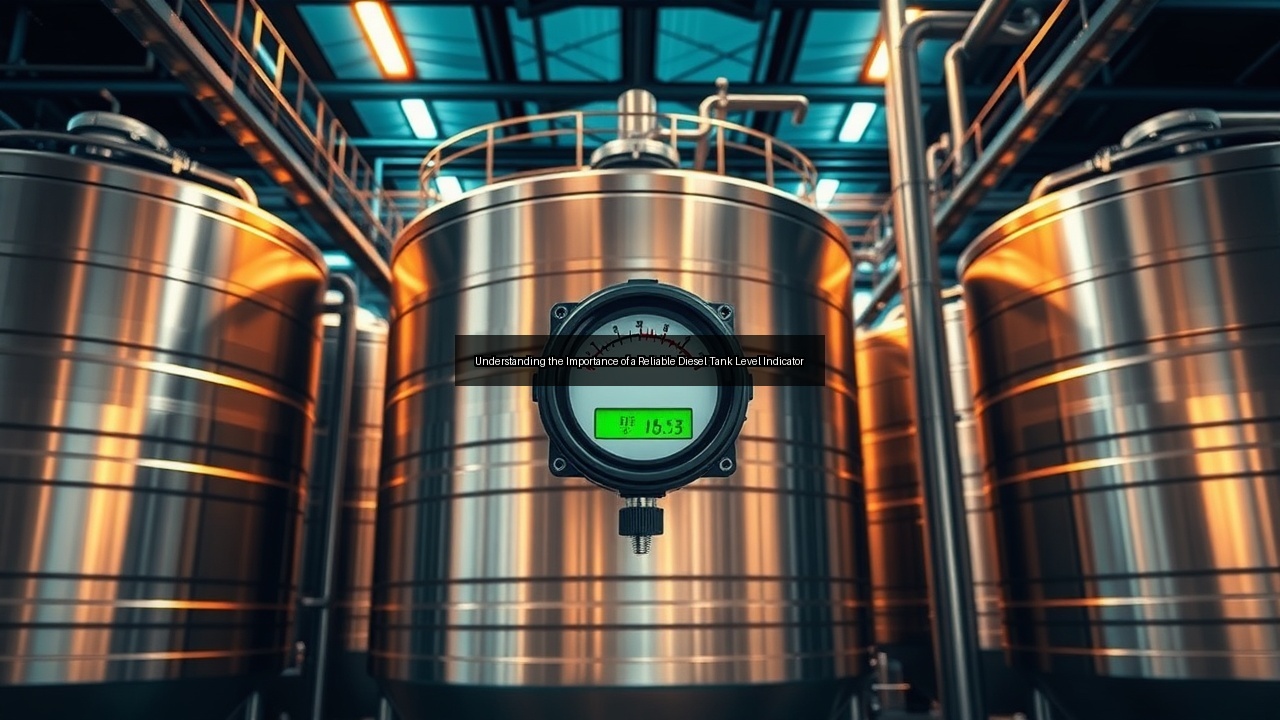
Diesel tank level indicators serve a crucial role in managing fuel effectively. These devices provide real-time information regarding the amount of diesel fuel stored in tanks, whether they are part of a larger tank farm or a standalone storage tank. A diesel tank gauge typically consists of a level measurement system that communicates the current fuel level to operators. This allows for precise monitoring and planning of fuel usage, which is essential for both operational efficiency and cost management. Understanding how these gauges function is fundamental for anyone involved in diesel fuel management. Accurate level gauges ensure that operators can make informed decisions about when to refill tanks, ultimately preventing shortages that could interrupt operations.
Importance of Accurate Level Measurement
Accurate level measurement is paramount in the efficient management of diesel fuel. Inaccuracies can lead to overfilling or running out of fuel, both of which pose significant risks. Overfilling can result in spills, environmental hazards, and potential fines, while running out of fuel can halt operations, causing downtime and financial losses. By utilizing reliable diesel tank level indicators, businesses can maintain optimal fuel levels, ensuring that diesel engines run smoothly without interruption. Furthermore, accurate measurements contribute to better inventory management, allowing organizations to track fuel usage trends and plan for future consumption. This proactive approach minimizes risks associated with fuel mismanagement and enhances overall operational efficiency.
Types of Diesel Level Sensors
Various types of diesel level sensors exist, each designed to meet specific needs and preferences. Float-based level sensors, for example, use a buoyant device that rises and falls with the fuel level, providing a straightforward and effective means of measurement. Capacitive level sensors, on the other hand, detect changes in capacitance as the fuel level changes, offering high accuracy and reliability. Ultrasonic level sensors utilize sound waves to measure the distance to the fuel surface, making them suitable for a wide range of tank sizes and types. Each type of sensor comes with its own advantages and disadvantages, making it essential for users to choose based on their specific requirements, such as tank material, size, and the accuracy needed for effective fuel management.
Key Benefits of Reliable Diesel Tank Level Indicators
Preventing Diesel Shortages and Downtime
Reliable diesel tank level indicators play a vital role in preventing fuel shortages and minimizing downtime. Accurate measurements allow operators to monitor fuel fuel tank level indicator levels closely and plan refills accordingly. By avoiding unexpected fuel depletion, businesses can maintain continuous operations, especially in industries reliant on diesel engines, such as construction, transportation, and agriculture. When fuel levels drop below critical thresholds, operations can be disrupted, leading to costly delays and inefficiencies. Implementing a dependable tank level gauge system helps organizations stay ahead, ensuring that diesel fuel supplies remain consistently available. This proactive management approach not only protects against shortages but also enhances overall productivity and profitability.
Enhancing Safety in Fuel Storage
Safety in fuel storage is paramount, and reliable diesel tank level indicators contribute significantly to this aspect. Accurate monitoring of fuel levels helps prevent overfilling and spills, which pose serious environmental and safety risks. Such incidents can lead to hazardous conditions, including fire hazards and contamination of surrounding areas. A well-functioning level gauge system allows for timely alerts, notifying operators of critical levels and enabling them to take necessary actions to mitigate risks. Moreover, the implementation of safety features, such as alarms and automatic shut-off systems in conjunction with level indicators, further enhances the safety of diesel storage tanks. Thus, businesses can operate with confidence, knowing they are safeguarding their personnel, equipment, and the environment.
Optimizing Fuel Usage and Cost Efficiency
Reliable diesel tank level indicators contribute to optimizing fuel usage and enhancing cost efficiency. By providing accurate, real-time data on fuel levels, businesses can analyze consumption patterns and adjust usage accordingly. This information empowers operators to implement strategies aimed at reducing waste and improving fuel efficiency. For instance, knowing exactly how much diesel fuel is available allows operators to schedule refueling trips efficiently, reducing unnecessary transportation costs. Furthermore, comprehensive data analytics can reveal trends that inform purchasing decisions, leading to better pricing and supplier relationships. Overall, the integration of reliable level gauges into fuel management practices not only streamlines operations but also drives down costs, positively impacting the bottom line.
Choosing the Right Diesel Tank Level Indicator
Factors to Consider: Material and Type
Selecting the right diesel tank level indicator hinges on several key factors, including the material and type of sensor. The material of the indicator must be compatible with diesel fuel to prevent corrosion and ensure longevity. Common materials include plastic and stainless steel, each offering distinct advantages. Plastic indicators are typically lightweight and resistant to corrosion, making them suitable for various storage conditions. Conversely, stainless steel indicators provide enhanced durability and are ideal for harsher environments. The type of indicator—whether float-based, capacitive, or ultrasonic—also plays a crucial role in performance. Operators must consider the specific requirements of their diesel tanks, including size, shape, and installation environment, to ensure they choose an appropriate and effective level gauge.
Comparing Plastic vs. Stainless Steel Indicators
When comparing plastic and stainless steel indicators for diesel tank level measurement, several factors come into play. Plastic indicators offer affordability and resistance to corrosion, making them a popular choice for many operators. However, they may not withstand extreme temperatures or heavy-duty applications as well as stainless steel options. Stainless steel indicators, while generally more expensive, provide superior durability and reliability, especially in challenging environments. They resist corrosion and are less likely to suffer damage from environmental factors, making them suitable for long-term use. Ultimately, the choice between plastic and stainless steel indicators depends on the specific application and budget considerations, but understanding the strengths of each material can guide operators in making an informed decision.
Evaluating Sensor Technologies and Accuracy
Evaluating sensor technologies is crucial when selecting a diesel tank level indicator. Different technologies offer varying degrees of accuracy and reliability. Float-based sensors provide simplicity and effectiveness but may be less precise in certain conditions. Capacitive sensors excel in accuracy and can handle a variety of tank shapes and sizes, making them versatile for diverse applications. Ultrasonic sensors shine in non-contact measurement, offering high accuracy without being affected by factors like temperature or pressure. Operators should assess their specific needs, including the desired level of precision, tank configuration, and environmental conditions, before choosing a sensor technology. By prioritizing accuracy and reliability, businesses can enhance their fuel management practices significantly.
Future Trends in Diesel Tank Level Measurement
Integration of Data Analytics in Fuel Management
The integration of data analytics in fuel management represents a significant trend in diesel tank level measurement. Advanced analytics provide insights into fuel consumption patterns, storage efficiency, and operational costs. By leveraging data, organizations can make informed decisions regarding refueling schedules, supplier negotiations, and inventory management. Predictive analytics can even forecast future fuel needs based on historical data, allowing businesses to optimize their fuel procurement strategies. This data-driven approach enhances overall operational efficiency and reduces wastage, ultimately leading to cost savings. As technology evolves, the role of data analytics in managing diesel fuel will continue to grow, making it an indispensable tool for forward-thinking organizations.
The Impact of IoT on Diesel Fuel Monitoring
The Internet of Things (IoT) is transforming diesel fuel monitoring by enabling real-time data collection and communication. IoT-enabled diesel tank level indicators can transmit data directly to cloud-based platforms, allowing operators to monitor fuel levels remotely from any device. This connectivity enhances transparency and responsiveness, as alerts can be sent instantly when fuel levels reach critical thresholds. Moreover, IoT integration facilitates automated reporting and analytics, making it easier for businesses to track fuel usage and identify trends. As IoT technology advances, its impact on diesel fuel monitoring will become increasingly significant, driving efficiency and reliability in fuel management practices.
Sustainability and Innovations in Diesel Storage Solutions
Sustainability continues to shape innovations in diesel storage solutions, prompting the development of more environmentally friendly practices and technologies. New materials and designs aim to minimize environmental impact while enhancing safety and durability. Innovations such as secondary containment systems and spill prevention technologies are gaining traction, ensuring that diesel storage complies with stringent environmental regulations. Moreover, advancements in monitoring technologies, including smart sensors and remote monitoring systems, contribute to more efficient fuel management, reducing waste and emissions. As the industry moves towards greater sustainability, businesses that adopt these innovative solutions will not only comply with regulations but also enhance their reputation and operational efficiency.
See Also
- Innovations in Diesel Fuel Storage and Tank Level Monitoring
- How to Choose the Best Diesel Tank Level Gauge for Your Needs
- The Role of Diesel Tank Level Indicators in Fuel Management Systems
- A Comprehensive Guide to Diesel Tank Level Indicators for Beginners
- Top Features to Look for in Modern Diesel Tank Level Sensors