Unlocking the Future of Manufacturing with Compression Molding Services
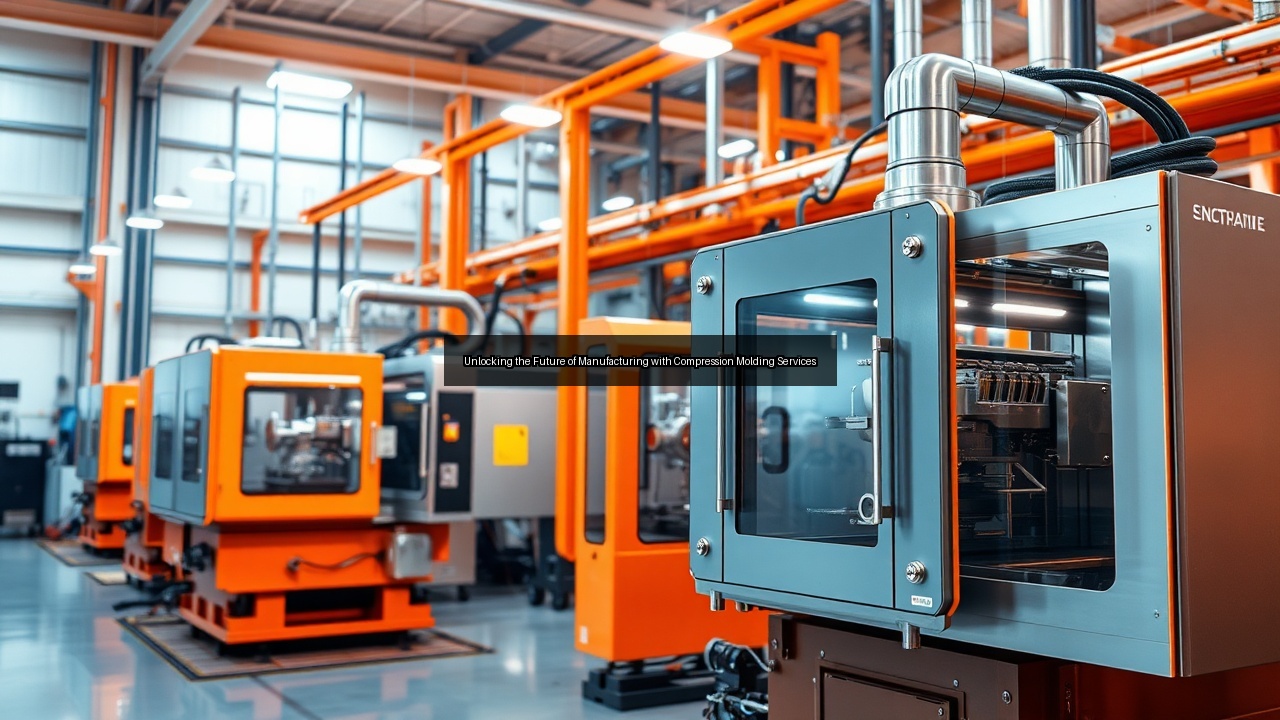
Understanding Compression Molding Services
The Basics of Compression Molding Processes
Compression molding stands out as a crucial manufacturing process, particularly for creating plastic and rubber products. In this method, raw materials, typically in the form of pellets or sheets, are placed into an open mold cavity. Heat and pressure are then applied, causing the materials to flow, fill the mold, and cure into the desired shape. This process is highly efficient for producing large quantities of items with consistent quality. The compression molding process allows for the creation of complex geometries while minimizing waste, making it an attractive option for manufacturers across various sectors.
Key Advantages of Compression Molded Products
Compression molded products offer several key advantages that set them apart from those produced through other methods, such as injection molding. First, compression molding allows for the use of a wider range of materials, including thermoplastics and thermosetting plastics. This versatility enables manufacturers to choose the most suitable material for their specific needs. Additionally, compression molded products often exhibit superior strength and durability, making them ideal for applications requiring high performance. The process also reduces production costs and time, as it typically requires less energy and material compared to other molding services. These benefits make compression molding an essential technique in modern manufacturing.
Common Applications in Various Industries
Several industries benefit from compression molding services, thanks to the versatility and efficiency of the process. In the automotive sector, manufacturers use compression molded components for parts like bumpers, interior trims, and gaskets, ensuring high performance and durability. The food and beverage industry relies on compression molding for items such as containers, lids, and seals, which must comply with strict safety and hygiene regulations. Additionally, the medical field utilizes compression molded parts in devices and packaging for medications, emphasizing the importance of precision and quality. These applications highlight the widespread relevance of compression molds across diverse sectors.
The Role of Compression Molds in Manufacturing
Types of Compression Molds: An Overview
Compression molds come in various types, each designed to meet specific manufacturing needs. The two primary categories include single-cavity and multi-cavity molds. Single-cavity molds produce one part at a time, making them suitable for low-volume production runs or complex geometries. Multi-cavity molds, on the other hand, can produce several identical parts in a single cycle, enhancing efficiency and reducing costs for high-volume manufacturing. Additionally, manufacturers can choose between two-plate and three-plate molds, depending on the complexity of the part and the need for streamlined production. Understanding these mold types helps manufacturers select the right compression molding service to achieve their production goals.
Design Considerations for Compression Molding
Successful compression molding hinges on thoughtful design considerations. Engineers must account for the material flow, cooling rates, and potential shrinkage during the compression molding process. Factors such as wall thickness, surface finish, and draft angles play a significant role in ensuring that the final product meets quality standards. Proper design also minimizes defects and optimizes the lifespan of the compression mold itself. Collaborating with experienced manufacturers can help streamline the design phase, ensuring that the compression molds are tailored to specific applications, thereby improving overall efficiency and product quality.
Comparison to Other Molding Processes: Injection Molding vs. Compression Molding
Both injection molding and compression molding serve vital roles in manufacturing, yet they differ significantly in terms of processes and applications. Injection molding involves injecting molten plastic into a closed mold under high pressure, making it ideal for producing intricate parts with tight tolerances. This method excels in high-volume production, particularly for small, detailed components. In contrast, compression molding is better suited for larger parts and materials that require extended curing times. While injection molding often yields faster production rates, compression molding presents advantages in material versatility and cost-effectiveness for specific applications. Understanding these differences allows manufacturers to choose the most suitable molding service for their production needs.
Innovations in Compression Molding Technology
Advancements in Material Science and Plastics
Recent advancements in material science have transformed the landscape of compression molding services. Manufacturers now have access to a broader range of advanced plastics and composites that enhance performance and sustainability. For instance, bio-based plastics and recycled materials have gained traction, allowing companies to meet environmental standards while maintaining product quality. Innovations in additives and fillers also improve the mechanical properties of compression molded products, such as increasing strength, reducing weight, and enhancing thermal stability. These developments not only expand the possibilities within compression molding but also contribute to a more sustainable manufacturing future.
Automation in Compression Molding Services
Automation has become a game-changer in compression molding, streamlining production processes and enhancing efficiency. Automated systems can handle material feeding, mold closing, and part ejection, significantly reducing labor costs and human error. Integration of robotics and smart technology allows manufacturers to monitor production in real-time, ensuring consistent quality and rapid response to any issues that may arise. This shift toward automation not only accelerates production times but also enables manufacturers to scale operations quickly, making compression molding services more competitive in a fast-paced market.
Sustainability in Compression Molding Practices
Sustainability has emerged as a key focus within the manufacturing sector, and compression molding services are no exception. Companies increasingly prioritize eco-friendly practices, such as using sustainable materials, reducing waste, and improving energy efficiency. The nature of compression molding already lends itself to sustainability due to its material efficiency and reduced energy consumption compared to other molding methods. Additionally, manufacturers are exploring recycling initiatives and closed-loop systems to minimize environmental impact. By embracing sustainable practices, compression molding services can contribute to a greener manufacturing landscape while meeting consumer demand for environmentally responsible products.
Choosing the Right Compression Molding Service Provider
Evaluating Manufacturers and Their Capabilities
Selecting the right compression molding service provider requires careful evaluation of their capabilities and expertise. Start by researching manufacturers with a proven track record in the industry, focusing on their experience with specific materials and applications. Consider their capacity to handle your production volume, whether you need low or high quantities. Additionally, assess their quality assurance processes, certifications, and compliance with industry standards. A reliable compression molding service provider should demonstrate a commitment to innovation and continuous improvement, ensuring they remain competitive and capable of meeting your evolving manufacturing needs.
Factors to Consider: Cost, Quality, and Lead Times
When choosing a compression molding service, cost, quality, and lead times are critical factors to consider. Compare quotes from multiple providers, but remember that the cheapest option may not always deliver the best quality. Prioritize manufacturers that offer a balance between competitive pricing and high-quality output. Lead times also play a significant role in your decision-making process; a provider with shorter lead times can help you meet tight deadlines and respond to market demands more effectively. Establish clear communication with potential partners to ensure they can accommodate your specific requirements and timelines.
Case Studies: Successful Compression Molding Applications in Food, Beverage, and Medical Industries
Numerous success stories illustrate the effectiveness of compression molding services in various industries. In the food and beverage sector, companies have successfully used compression molded components for producing durable, airtight seals that enhance product shelf life. These seals prevent contamination and preserve freshness, showcasing the advantages of compression molding in maintaining product integrity. Similarly, in the medical industry, manufacturers have relied on compression molding for creating precise components for devices that administer medications. These applications highlight the versatility of compression molding services, emphasizing their importance across different sectors and their ability to meet stringent regulatory standards.
See Also
- From Prototype to Production Understanding Compression Molding Services
- The Secrets Behind Effective Compression Molding Processes
- Compression Molding vs Injection Molding Which is Right for Your Project
- The Future of Compression Molding in the Age of Smart Manufacturing
- Innovations in Compression Molding for Sustainable Manufacturing